
Transforming the Old into Something New
Tattoo cover-ups are one of the most creative and technically demanding services a tattoo artist can offer. They represent more than just a fix—they’re an opportunity to transform something outdated, faded, or unwanted into a piece of art that feels meaningful again.
Whether you’re dealing with a past decision that no longer reflects who you are or simply want a refreshed look, a cover-up can be the perfect solution.
What Is a Tattoo Cover-Up?
A tattoo cover-up (sometimes called a “coverover”) is the process of tattooing a new design over an existing one. Unlike a fresh tattoo on blank skin, cover-ups must work with what’s already there—meaning the original ink, color saturation, and placement all influence the final design.
Artists use techniques like layering darker pigments, incorporating shading, and expanding the design to effectively conceal the old tattoo. The goal isn’t always to completely erase the past image, but rather to integrate and disguise it so that the new design stands on its own.
When Should You Consider a Coverover?
There are several common reasons people seek cover-ups:
- Faded or aged tattoos that have lost clarity over time
- Poorly executed work that didn’t meet expectations
- Name or relationship tattoos that no longer apply
- Outdated styles that no longer reflect your personality
- Placement regrets where the tattoo feels awkward or unbalanced
If you find yourself avoiding showing a tattoo or feeling disconnected from it, that’s usually a strong sign it’s time to explore a cover-up. A consultation with an experienced artist can help determine whether a coverover is the best route—or if partial laser fading might improve your options.
Best Designs for Cover-Up Tattoos
Not all designs work equally well for cover-ups. The most successful concepts typically share a few key characteristics:
- Darker color palettes (black, deep blues, rich reds) to mask existing ink
- Complex patterns and textures that break up underlying lines
- Layered shading and depth to create visual distraction
- Larger designs that fully encompass the old tattoo
Popular cover-up styles include:
- Blackwork and tribal-inspired designs
- Floral compositions (roses, peonies, leaves)
- Geometric and mandala patterns
- Realistic imagery (animals, portraits, nature scenes)
The best design is one that not only covers the old tattoo effectively but also aligns with your personal style moving forward.
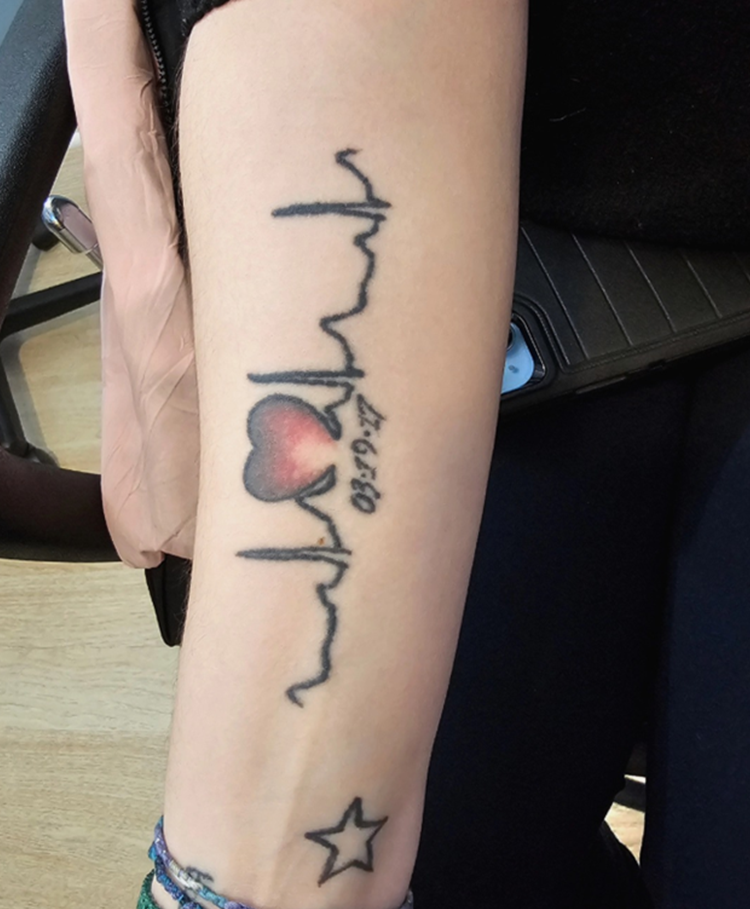
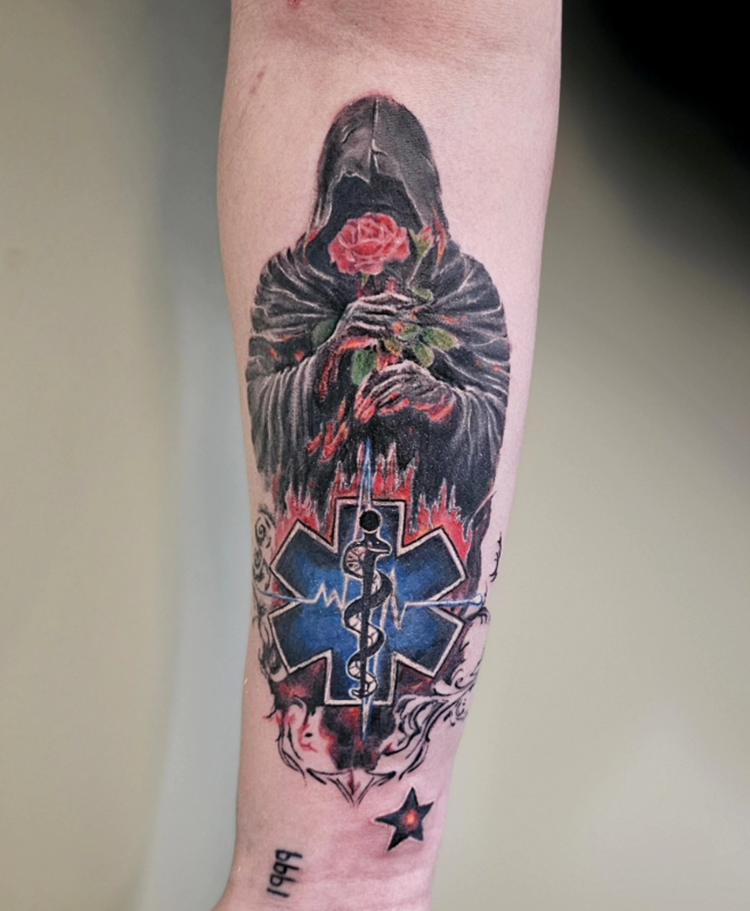
Before & After Case Studies: What to Expect
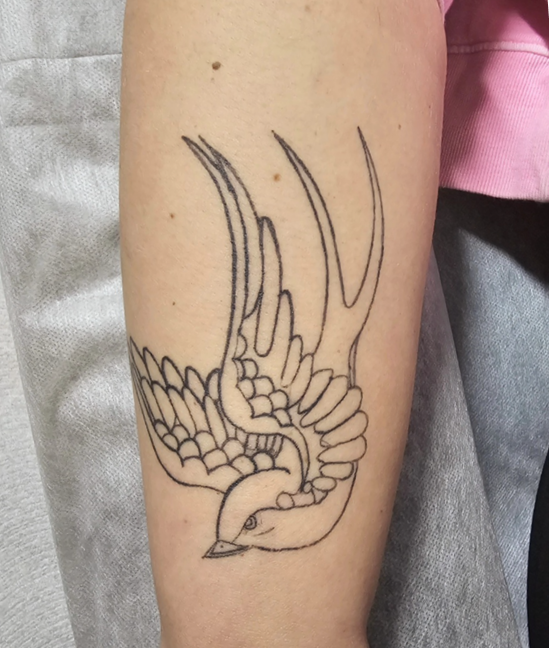
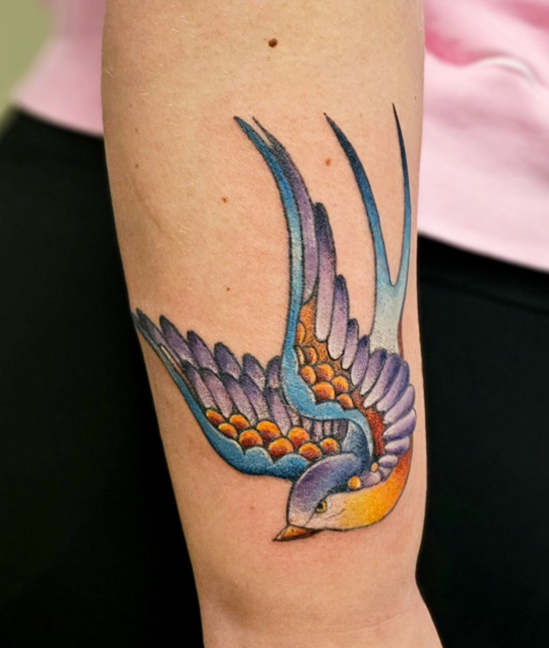
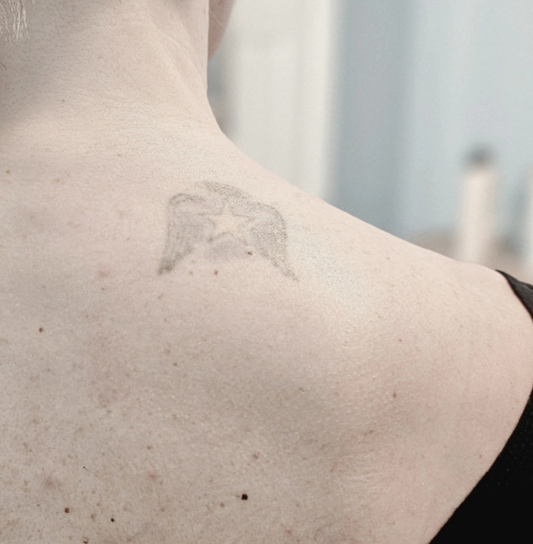
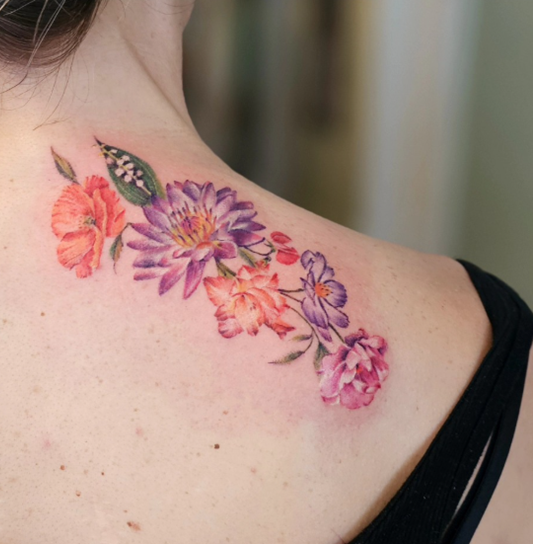
Real-life transformations highlight what’s possible with a skilled artist:
Name to Nature: A bold script name is transformed into a layered rose design, with petals and shadows masking the original lettering.
Faded to Bold: A washed-out tattoo becomes a striking blackwork piece, using contrast and saturation to dominate the old ink.
Small to Statement: A small, poorly placed tattoo is expanded into a cohesive half-sleeve, integrating the original into a much larger composition.
Every cover-up is unique, and results depend on factors like ink density, skin tone, and design complexity. In some cases, multiple sessions may be required to achieve the best outcome.
Final Thoughts
A tattoo cover-up isn’t just about hiding the past—it’s about reclaiming the area and the design with intention and artistry. With the right design and an experienced artist, even the most challenging tattoos can be transformed into something you’re proud to wear.